



How to use DMM Cam, warning, lifespan, inspection, care and maintenance with instructional pictures.
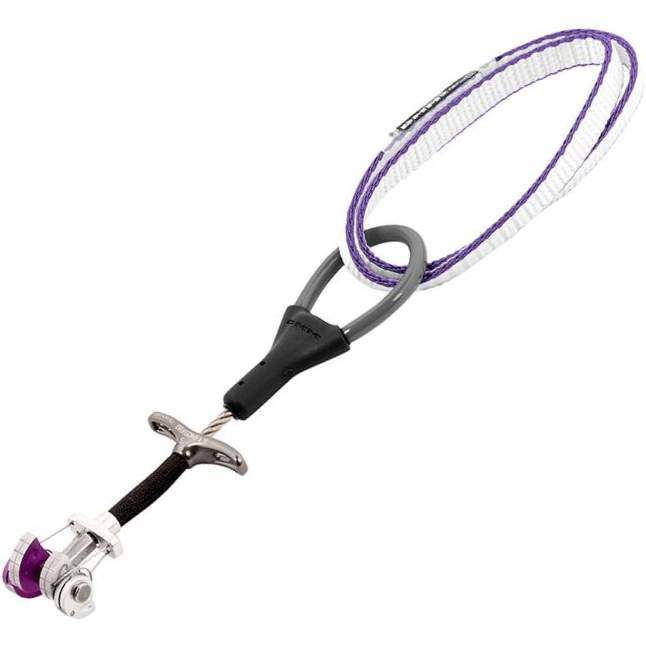
Dragonfly Offset 5/6
Description
We have evolved the celebrated Dragonfly Cam range to include the Dragonfly Offsets, which alongside the Dragon Cams create the ultimate cam family.
Designed for irregular, flared cracks and pin scars, the Dragonfly Micro Cam Offsets feature colour coded slings and thumb loops that allow you to make the correct placement when it matters most.
The same camming angle of 13.75°, used with our Dragons and Dragonfly Micro Cams, provides the optimum balance of holding power and range. You will appreciate the holding power of the TripleGrip lobes with their ‘raw alu’ surface, particularly on smooth rock types such as slate and limestone. The narrow head width and compact trigger allow the cams to be placed deep in small pockets.
Retail price
US$ 89.95
When you click a link below and then checkout online, no matter what you buy (climbing gear or not), we get a small commission that helps us keep this site up-to-date. Thanks!
Weight (g / oz) Weight (g / oz)In grams and ounces, the weight, as stated by the manufacturer/brand. | 71.0 g / 2.50 oz |
| Cam Head | 4 lobes, single axle |
| Offset | Yes offset |
| Stem | Flexible single stem |
| Sling | x11 mm Dyneema (double sling loop) |
| Camming Angle | 13.75° |
| Active Strength | 9 kN |
Cam Range (mm / in)Cam Range (mm / in)In millimeters and inches, the maximum dimensions of the cam lobes when shut tight and fully extended. Since the "usable" range is so debatable, all manufacturers now list the full dimensions to avoid selling themselves short. For offset cams, we'll list the max dimensions possible and then afterwards list each of lobe dimensions. |
Offset range 15.1 - 22.5 mm / 19 - 28.3 mm (0.59 - 0.88 in / 0.74 - 1.11 in) |
| Materials | Main Material: Aluminium |
| Certification | EN |
No reviews yet.
If you know of a good product video that should be here, let us know, and we'll put it up.
If you're looking for gear videos in general, check out our Vimeo and YouTube channels to see the newest gear.